 Reviews


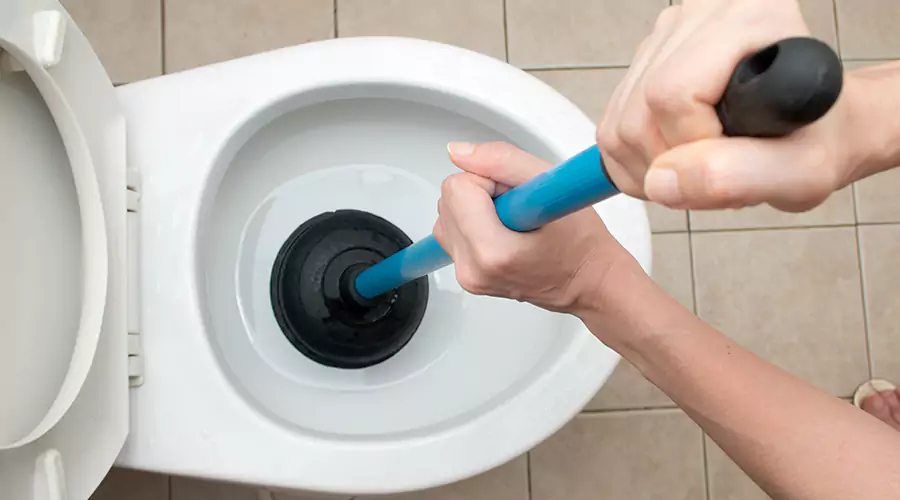
A clogged toilet is one of those problems that demands immediate attention. Water rising toward the rim, a bowl that refuses to drain, and the clock ticking — it is stressful, inconvenient, and happens in nearly every home at some point.
Most toilet clogs clear up without a plumber and without expensive tools. Knowing the right method for the right situation gets your toilet working again fast and saves you the cost of an unnecessary service call.
Why Toilets Clog in the First Place?
Getting to the root of the problem helps you choose the most effective fix and avoid repeat clogs in the future.
Too much toilet paper is the most common cause of a clogged toilet. Using excessive amounts in a single flush overwhelms the drain and creates a blockage just past the toilet trap.
Non-flushable items cause some of the worst and most stubborn clogs. Wet wipes, cotton balls, dental floss, feminine hygiene products, and paper towels do not break down in water the way toilet paper does. Even products labeled "flushable" frequently cause blockages in residential plumbing systems.
Low-flow toilet problems affect older low-flow models that lack the flushing power to move waste fully through the drain. Partial clogs accumulate over time and eventually stop the toilet from flushing properly.
Hard water mineral buildup narrows the jet holes around the rim of the bowl and weakens flush strength gradually. A toilet that flushes with noticeably less power than it used to may have significant mineral deposits restricting water flow.
Sewer line issues cause multiple toilets and drains in the home to back up simultaneously. When more than one fixture is affected at the same time, the blockage is likely in the main sewer line rather than in the toilet itself.
What You Need Before You Start?
Gathering the right supplies makes the job cleaner and more efficient.
Keeping a flange plunger under every bathroom sink is the single most practical plumbing investment a homeowner can make. Unlike the flat cup plunger used for sinks, a flange plunger has an extended rubber flap that fits directly into the toilet drain opening and creates a proper seal for effective pressure.
Rubber gloves protect your hands throughout the process. Old towels or newspapers spread around the base of the toilet protect your floor from splashes. A bucket of water kept nearby gives you the ability to flush without triggering the tank refill mechanism if needed.
Method 1: Stop the Toilet From Overflowing First
Acting before anything else to prevent an overflow protects your bathroom floor from water damage.
Removing the tank lid and pushing the flapper down manually stops water from continuing to fill the bowl. The flapper is the rubber seal at the bottom of the tank that controls water flow into the bowl, which is an important step in drain unblocking. Pressing it down firmly cuts off the flow instantly.
Turning the shut-off valve located behind and below the toilet clockwise stops the water supply to the tank entirely. This gives you full control of the situation before attempting any unclogging method.
Method 2: Use a Flange Plunger
Starting with a plunger resolves the vast majority of toilet clogs and should always be the first method you try.
Place the flange plunger into the bowl and position the rubber cup directly over the drain opening. Make sure the flange extends down into the drain hole rather than folding inward. There should be enough water in the bowl to fully submerge the cup, creating the seal needed for effective pressure.
Push down slowly and steadily on the first stroke to expel air from inside the cup without splashing water. Then pull back up sharply. Repeating this push-pull motion at a steady rhythm for 15 to 20 strokes builds alternating pressure and suction that dislodges most blockages effectively.
Lifting the plunger after 20 strokes checks whether water is draining. If it drains freely, flush once to confirm the clog has cleared. If the bowl fills again without draining, repeat the process for another round before moving to the next method.
Hot water tip: Pouring a gallon of hot but not boiling water into the bowl before plunging softens the blockage and makes plunging more effective. Boiling water risks cracking the porcelain, so keep the temperature just below boiling.
Method 3: Dish Soap and Hot Water
Reaching for dish soap works surprisingly well on many fresh clogs caused by waste and toilet paper.
Squeezing a generous amount of dish soap directly into the bowl lets it sink to the drain opening where it acts as a lubricant. Following it with a gallon of hot water poured from waist height creates enough force to push the soap deeper into the drain.
Waiting 20 to 30 minutes gives the soap time to coat the blockage and reduce friction against the pipe walls. Many clogs slide free on their own after this waiting period, and a single flush confirms the result.
This method works best on fresh clogs that have not hardened inside the drain. Combining it with plunging immediately afterward increases the success rate significantly.
Method 4: A Toilet Auger
Stubborn clogs that do not respond to a plunger call for a toilet auger, also known as a closet auger or plumbing snake for toilets.
A toilet auger is a flexible coiled cable housed inside a protective rubber sleeve. The sleeve protects the porcelain from scratches while the cable extends deep into the drain to reach blockages that a plunger cannot access.
Insert the auger into the bowl with the curved end pointing toward the drain. Rotate the handle clockwise while pushing the cable forward until you feel resistance. That resistance is the clog. Continuing to rotate breaks the blockage apart or hooks it so it can be pulled back out of the drain.
Withdrawing the auger slowly and flushing once it is fully removed confirms whether the clog has cleared. A toilet auger costs between $20 and $50 at any hardware store and handles the vast majority of clogs that defeat a plunger.
Method 5: Baking Soda and Vinegar
Using a natural approach works well for partial clogs and slow-draining toilets that have not yet stopped completely.
Pouring one cup of baking soda directly into the bowl and following it with two cups of white vinegar creates a fizzing reaction inside the drain. Covering the bowl immediately with a large lid or a damp towel keeps the reaction working inside the pipe rather than dissipating into the air.
Waiting 30 minutes allows the reaction to break down organic material within the blockage. Flushing after the waiting period checks whether the drain has cleared. Repeating the process a second time increases effectiveness on more stubborn partial blockages.
This method is completely safe for all pipe materials, requires no tools, and costs almost nothing. It also helps eliminate odors and break down minor buildup inside the drain line at the same time.
Method 6: Enzyme Drain Products
Applying an enzyme-based drain cleaner designed for toilets offers a safe and effective alternative to harsh chemical drain cleaners.
Enzyme products use natural bacteria to digest organic waste inside the drain without damaging pipe materials or harming the environment. Pouring the product into the bowl according to the package instructions and allowing it to sit overnight gives the enzymes time to break down the blockage fully.
Flushing in the morning confirms whether the clog has cleared. Enzyme products work more slowly than chemical alternatives but are far safer for your pipes, your septic system if you have one, and the environment overall.
What to Avoid When Unclogging a Toilet?
Certain common approaches cause more damage than the original clog.
Chemical drain cleaners like those designed for sink clogs are not formulated for toilet drains and can damage the rubber components inside the tank and bowl. Repeated use softens and degrades plastic and rubber parts, leading to leaks and costly repairs over time.
Wire coat hangers scratch and damage porcelain permanently. A toilet auger with its protective rubber sleeve is specifically designed to do the same job without leaving marks.
Excessive force with a plunger splashes contaminated water and does not improve results beyond a steady, controlled technique. Aggressive plunging also risks damaging the wax seal at the base of the toilet.
Flushing repeatedly when the bowl is not draining adds more water to an already blocked drain and risks causing an overflow. Always wait until the bowl has drained to at least half its capacity before attempting another flush.
How to Unclog a Toilet Without a Plunger?
Finding yourself without a plunger is more common than most people expect, especially when traveling or in a home that does not keep one readily available.
Dish soap and hot water is the most effective no-plunger method for fresh clogs. The baking soda and vinegar method works well for partial blockages. Pouring hot water directly into the bowl from waist height uses gravity and force to help push the clog through.
A plastic bottle filled with water and used to create a manual suction and pressure effect mimics the basic function of a plunger in situations where nothing else is available. Filling a large bottle with warm water, placing the opening over the drain, and squeezing firmly creates enough pressure to shift a soft blockage.
Signs the Clog Is in the Main Sewer Line
Recognizing when a toilet clog is part of a larger plumbing problem saves you time and prevents you from repeatedly trying methods that will not work on a sewer line issue.
Multiple fixtures are slow or backed up at the same time. When the kitchen sink, bathroom sink, and toilet are all draining slowly or not at all, the blockage is almost certainly in the main sewer line rather than an individual drain.
Flushing the toilet causes water to back up in the shower or tub. Water appearing in a different fixture when you flush is a definitive sign of a main line obstruction.
Gurgling sounds from multiple drains after flushing indicate air being pushed through a partially blocked sewer line.
Sewage odors throughout the home suggest a significant blockage preventing waste from moving through the system properly.
None of the DIY methods covered in this guide will resolve a main sewer line clog. Only a licensed plumber with professional equipment including a hydro jet or sewer camera can diagnose and clear a blocked main sewer line safely and effectively.
When to Call a Licensed Plumber for a Clogged Toilet?
Handling most toilet clogs at home is completely achievable with the methods covered above. Calling a licensed plumber is the right decision when every DIY method has been tried without success, when multiple fixtures are backing up simultaneously, when sewage odors are present throughout the home, when the toilet has been clogging repeatedly over a short period, or when the toilet is rocking or leaking at the base alongside the clog.
Repeated clogging in the same toilet often points to a partial obstruction deep in the drain line, a venting problem, or a deteriorating sewer pipe that requires professional assessment and repair.
How to Prevent Toilet Clogs?
Building good habits around toilet use dramatically reduces how often clogs occur.
Using moderate amounts of toilet paper per flush and flushing twice for larger amounts keeps the drain clear. Keeping a small waste bin in every bathroom gives household members and guests a proper place to dispose of wet wipes, cotton swabs, dental floss, and other non-flushable items.
Teaching children early about what can and cannot be flushed prevents the kind of toy and foreign object clogs that require a plumber to resolve. Checking the flush strength of every toilet in the home periodically and addressing any reduction promptly catches developing blockages before they become complete stoppages.
Scheduling a professional drain cleaning service annually keeps the drain lines clear of accumulated buildup and identifies developing issues before they cause a full blockage.
Summary
Clearing a clogged toilet is a task most homeowners can handle confidently at home with the right approach and the right tools. Starting with a flange plunger covers the vast majority of common toilet clogs. Moving to dish soap and hot water, a toilet auger, or baking soda and vinegar handles more stubborn blockages that resist the plunger. Knowing what not to do protects your toilet from unnecessary damage during the process.
Recognizing the signs of a main sewer line clog prevents wasted effort on DIY methods that cannot reach the actual problem. Multiple backed-up fixtures, gurgling drains, and sewage odors all call for professional help without delay. Preventing clogs through smart flushing habits, proper waste disposal, and annual drain maintenance keeps your plumbing system running reliably and reduces the chance of facing a toilet emergency when it is least convenient.